

.jpg)
Kokand
Geographic Location and History
Kokand is a city located in the Fergana Valley in eastern Uzbekistan. It has a rich history as a major trade center on the Silk Road and was once the capital of the powerful Khanate of Kokand. The city's historical significance is reflected in its numerous architectural and cultural landmarks.
Culture
Kokand is known for its vibrant cultural scene, with a strong emphasis on traditional music, dance, and crafts. The city hosts various cultural events and festivals that celebrate its heritage and artistic achievements. Kokand is particularly famous for its ceramics and woodwork, with local artisans producing intricate and beautifully crafted items.
Historical Sites and Attractions
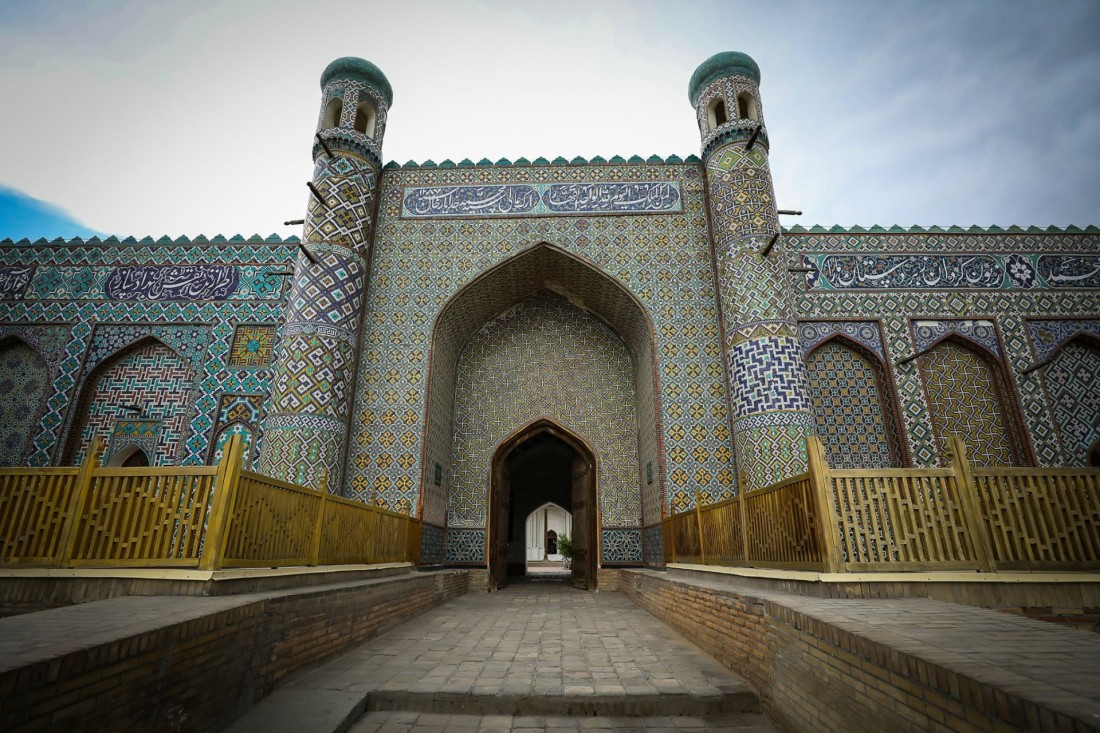
1. Kokand Khanate Palace (Khudayar Khan Palace): A stunning example of Islamic architecture, the palace was built in the 19th century and served as the residence of the Khans of Kokand. It features beautifully decorated rooms, courtyards, and intricate tile work.
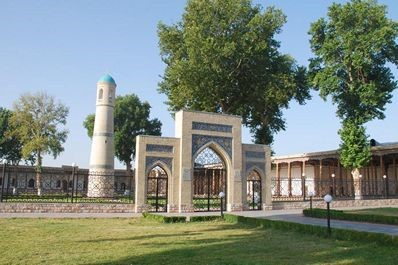
2. Jami Mosque: One of the largest mosques in Central Asia, it is known for its impressive architecture and historical significance. The mosque complex includes a large courtyard and a minaret that offers panoramic views of the city.
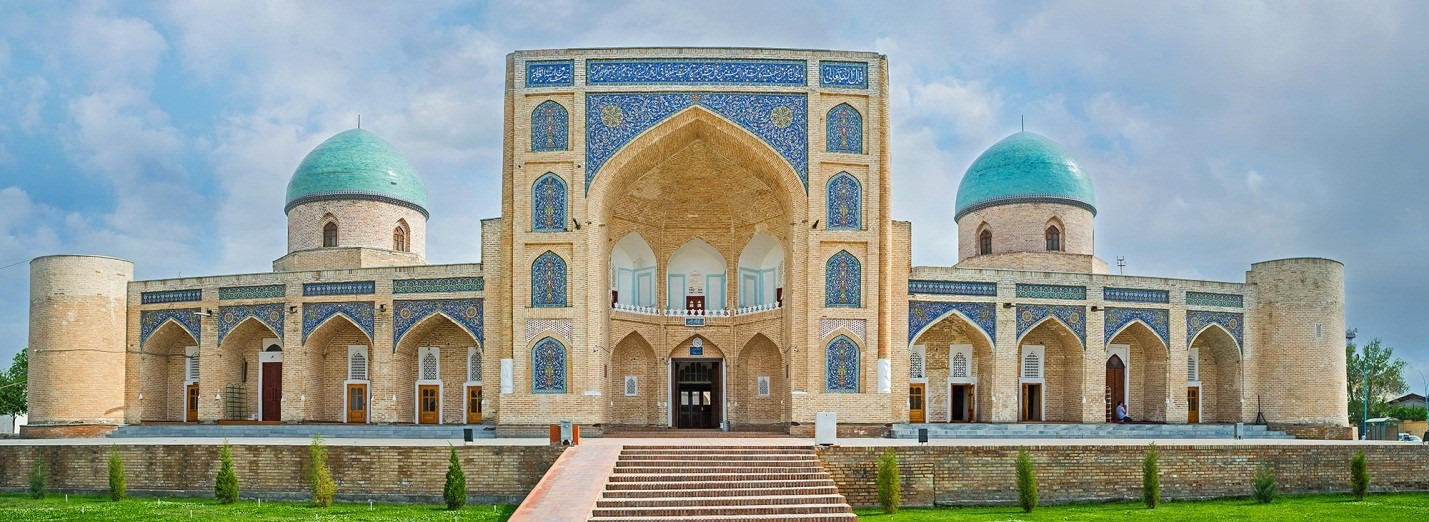
3. Kokand Madrasahs: The city has several historical madrasahs (Islamic schools) that are notable for their architectural beauty and educational history. These include the Norbutabiy Madrasah and the Modarikhon Madrasah.
Natural Landscapes
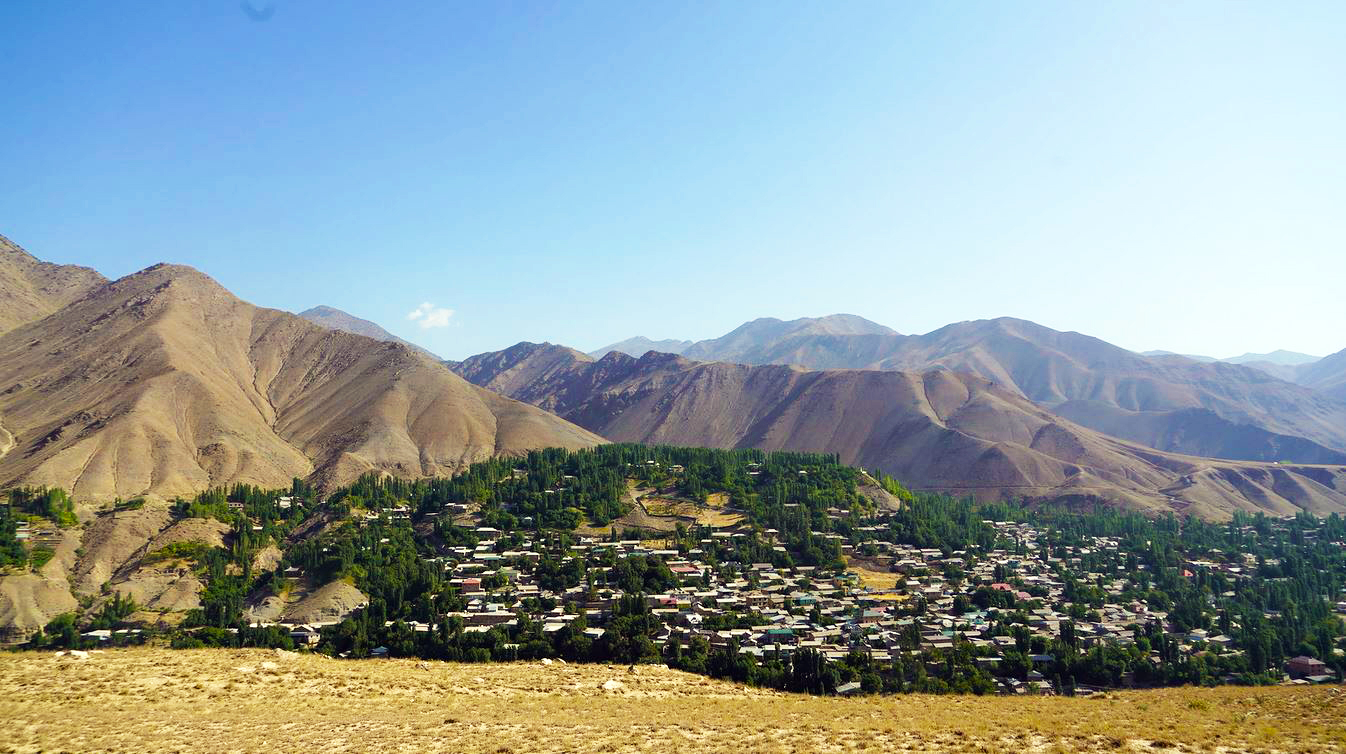
1. Surrounding Hills and Valleys: The hills and valleys around Kokand offer beautiful landscapes and opportunities for hiking and outdoor activities. The fertile land and scenic views make it a popular destination for nature lovers.

2. Fergana Valley: The valley itself is a rich agricultural area, known for its lush greenery and diverse plant life. It provides a picturesque backdrop to the city and is ideal for exploring rural life and nature.
3. Parks and Gardens: Kokand has several well-maintained parks and gardens that offer peaceful spots for relaxation and recreation. These green spaces are perfect for leisurely strolls and picnics.
Agriculture
Agriculture is a vital part of Kokand’s economy, with the region being known for its fertile soil and favorable climate. Major crops include cotton, wheat, fruits, and vegetables. The Fergana Valley is particularly noted for its orchards, producing high-quality apples, apricots, and other fruits. Livestock farming, including cattle and sheep, is also significant.
Economy
Kokand's economy is diverse, with significant contributions from agriculture, industry, and trade. The city is a major center for textile production, particularly silk and cotton fabrics. Industrial activities, including machinery and equipment manufacturing, also play a crucial role in the local economy. Trade remains vital, with Kokand serving as a commercial hub for the Fergana Valley.
Culinary Delights
Kokand offers a rich culinary tradition, with an emphasis on fresh, locally sourced ingredients. Key dishes include:
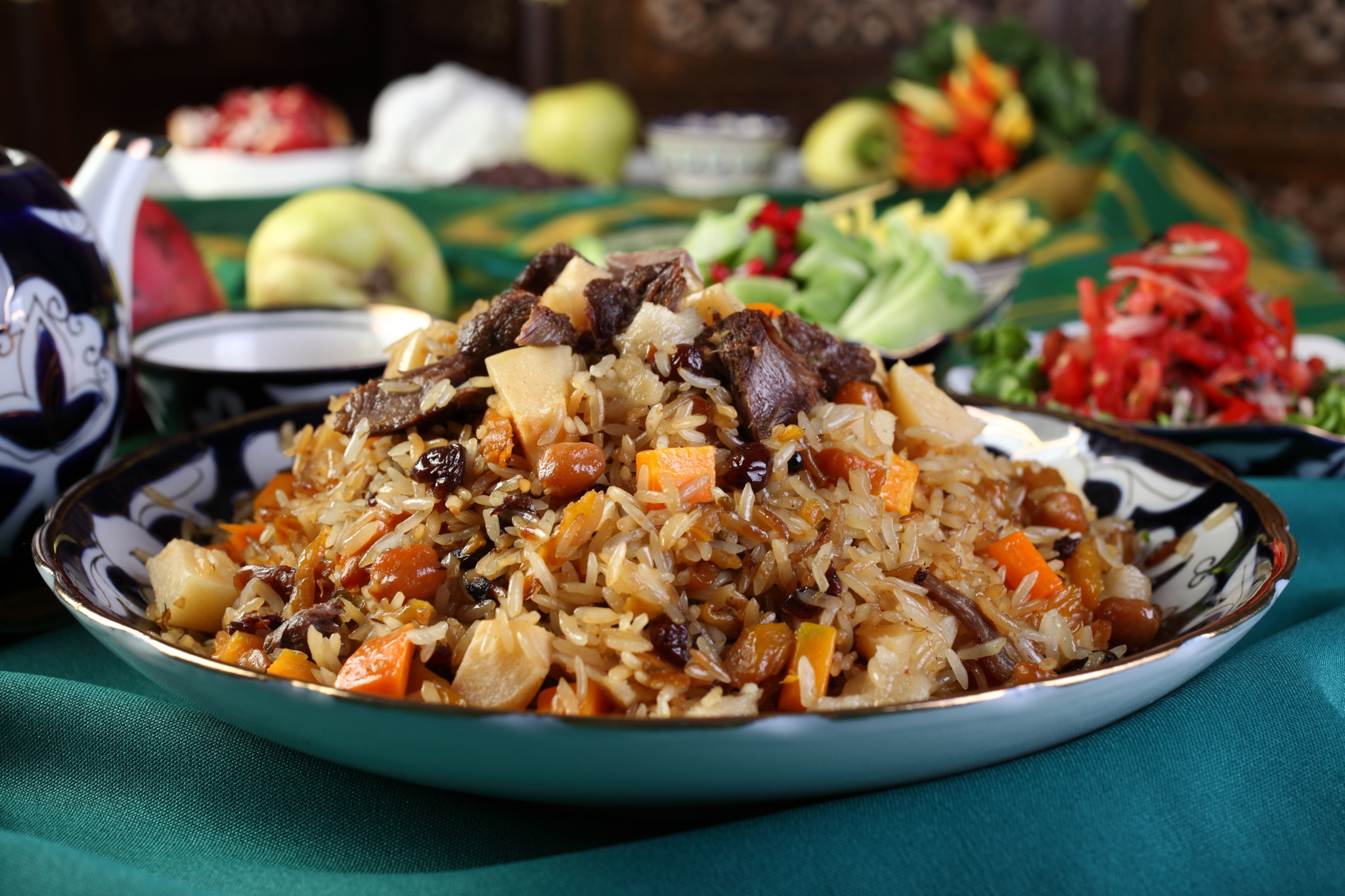
- Pilaf (Plov): A rice dish cooked with meat, carrots, onions, and spices, often considered the national dish of Uzbekistan.
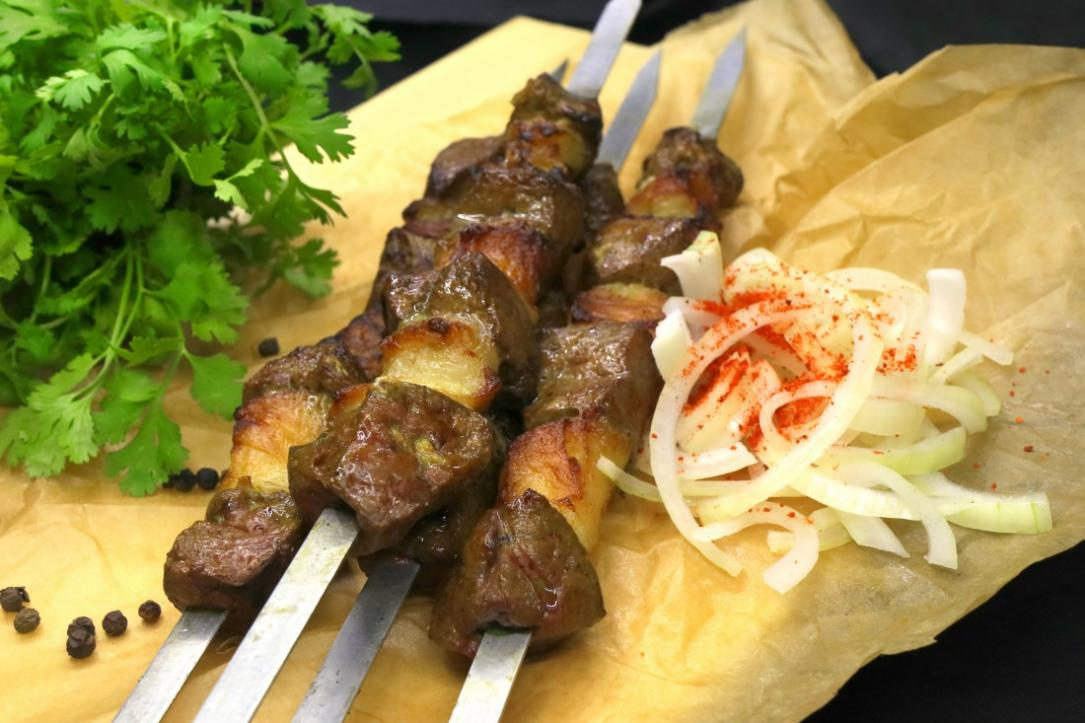
- Shashlik: Grilled meat skewers, typically made with lamb or beef, marinated in spices and served with fresh vegetables.
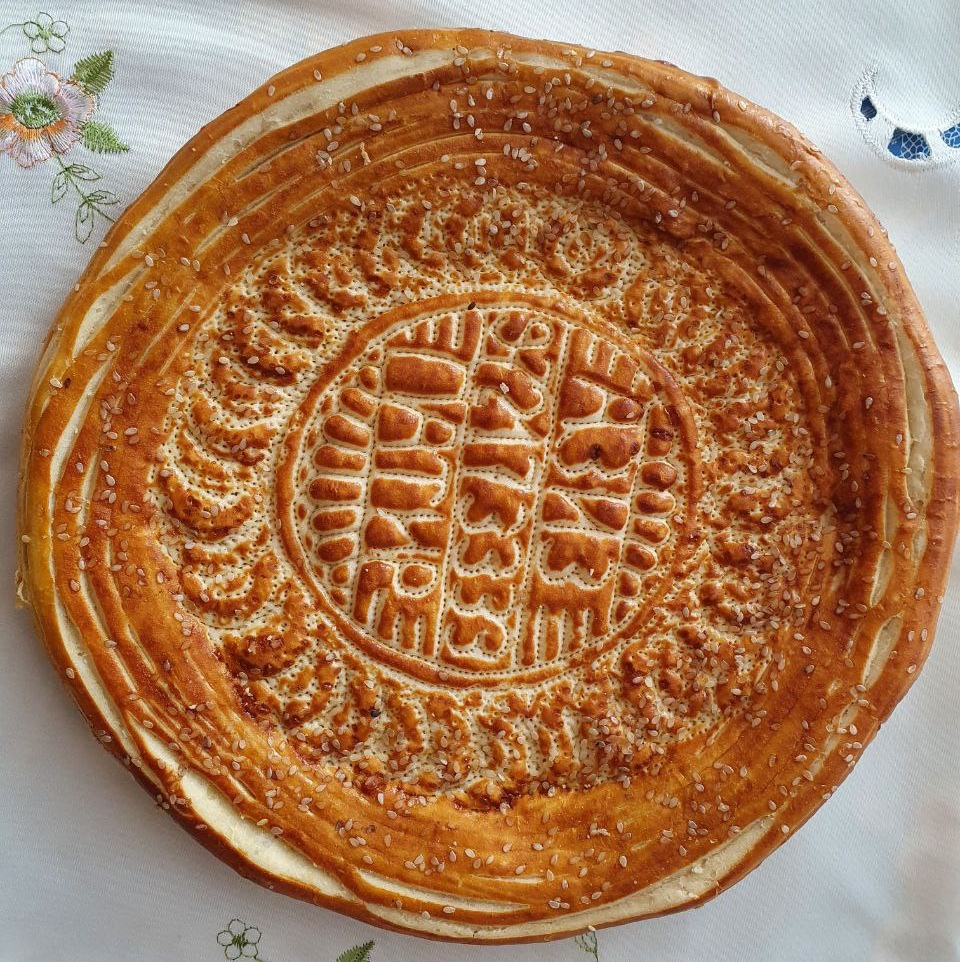
- Non (Bread): Traditional Uzbek bread, often baked in clay ovens and enjoyed with various dishes.
The local cuisine in Kokand is known for its hearty and flavorful dishes, reflecting the agricultural abundance and culinary heritage of the region.
