

.jpg)
Uzbekistan Currency
Introduction to Uzbekistan Currency
I. Uzbekistan Som (UZS)
Overview
- Currency Unit: Som (Som)
- Symbol: so‘m (сом)
- Currency Code: UZS
- Issuing Authority: Central Bank of Uzbekistan
History
- Issuance Date: The Uzbekistan Som was first issued in 1993 and officially replaced the Soviet Ruble on July 1, 1994.
- Currency Reform: In 1994, Uzbekistan conducted a currency reform, issuing the Som at a rate of 1 Som to 1,000 Soviet Rubles.
Denominations
Banknotes
- 100 Som
- 200 Som
- 500 Som
- 1,000 Som
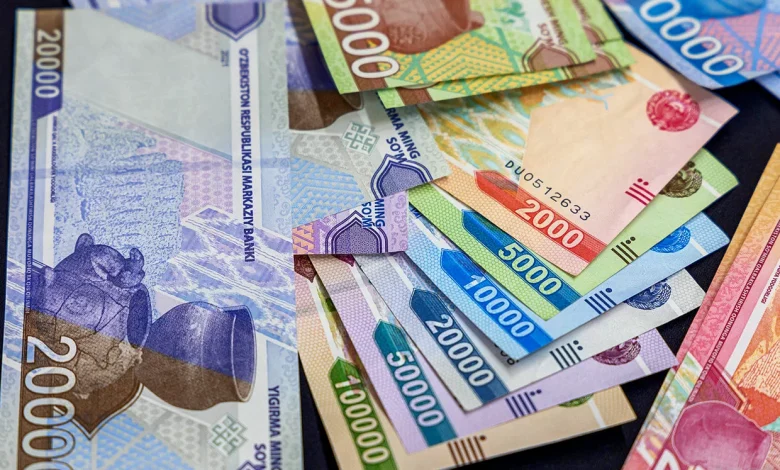
- 2,000 Som
- 5,000 Som
- 10,000 Som
- 50,000 Som
- 100,000 Som
- 200,000 Som
Coins
- 1 Som
- 5 Som
- 10 Som
- 25 Som
- 50 Som
- 100 Som
- 200 Som
- 500 Som
Design
The design of the Uzbekistan Som reflects the country's culture, history, and architectural heritage. Banknotes typically feature historical buildings, cultural symbols, and national emblems of Uzbekistan.
Currency Exchange
The exchange rate between the Uzbekistan Som and major international currencies (such as the US Dollar and Euro) fluctuates frequently. Tourists can exchange currency at banks, official currency exchange points, and large hotels in Uzbekistan.
Usage
The Uzbekistan Som is the only legal tender within Uzbekistan, used for all commercial transactions and daily payments.
Economic Background
Uzbekistan's economy mainly relies on agriculture, mining, and energy sectors. In recent years, the Uzbek government has been working to attract foreign investment and diversify the economy. The Central Bank of Uzbekistan manages monetary policy to control inflation and stabilize the exchange rate.
Recent Developments
- Exchange Rate Policy: Since 2017, Uzbekistan has implemented a series of monetary reforms, including allowing the Som to float freely to address inflation and black market exchange rate issues.
- Economic Reforms: In recent years, the Uzbek government has undertaken several economic reform measures to attract more foreign investment and stimulate economic growth.
- New Denominations: In 2021, the Central Bank of Uzbekistan issued a new 200,000 Som banknote to address inflation and currency demand.
II. Circulation of Foreign Currencies in Uzbekistan
US Dollar (USD)
- Circulation: The US Dollar is the most common foreign currency, widely used for large transactions and international trade. Many shops, hotels, and restaurants also accept US Dollars.
- Exchange: Tourists can exchange US Dollars at banks, official currency exchange points, and large hotels. Although black market exchanges exist, it is recommended to use official channels due to increased government crackdowns.
- Exchange Rate: The exchange rate between the US Dollar and the Uzbekistan Som fluctuates frequently. Specific rates can be checked at banks and official currency exchange points.
Euro (EUR)
- Circulation: The Euro is also relatively common, especially in major cities and tourist areas. Many high-end hotels and large shops accept Euros.
- Exchange: Banks and official currency exchange points offer Euro exchange services, similar to the US Dollar.
- Exchange Rate: The exchange rate between the Euro and the Uzbekistan Som also fluctuates frequently. Specific rates can be checked at banks and official currency exchange points.
Other Currencies
- Russian Ruble (RUB): Due to geographical and economic ties, the Russian Ruble circulates to some extent in Uzbekistan, especially in areas with close trade relations with Russia.
- Chinese Yuan (CNY): With the strengthening of economic cooperation between China and Uzbekistan, the use of the Yuan has gradually increased, particularly in commercial transactions involving Chinese enterprises.
Currency Exchange
- Official Channels: It is recommended that tourists and local residents exchange currency through banks and official currency exchange points to ensure legality and safety.
- Credit and Debit Cards: Major cities and tourist areas' large shops, hotels, and restaurants accept international credit and debit cards. ATMs are widely distributed and can dispense Uzbekistan Som.
Travel Advice
- Carry Cash: Although credit cards are widely accepted in major cities, cash is still the primary payment method in rural areas and small towns. It is advisable to carry a certain amount of US Dollars or Euros as a backup.
- Exchange Receipts: Keep the receipts when exchanging currency at official exchange points, as they may be required when leaving the country.
